


















 English
A properly functioning windshield wiper system is essential for safe driving, especially in rain, snow, or dusty conditions. One small but critical component in this system is the wiper arm spring. When this spring weakens or loses tension, the wiper blade no longer presses firmly against the glass, resulting in streaking, skipping, or incomplete wiping.
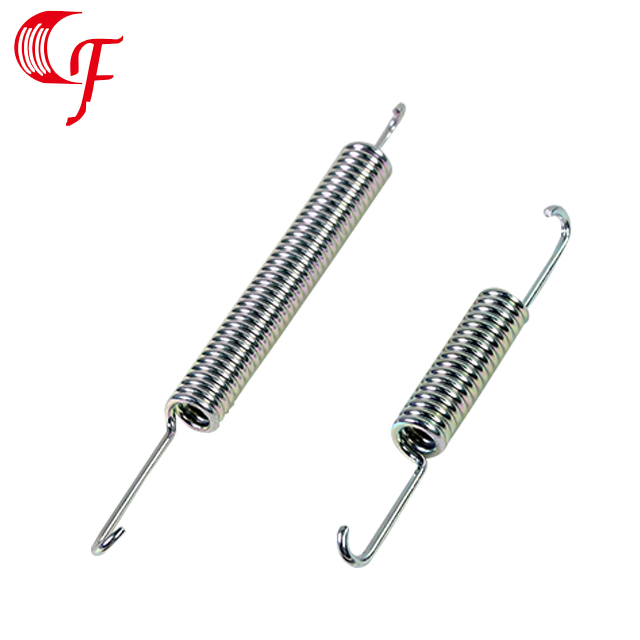
So, how do you tighten a Windshield Wiper Arm Spring, and when should you consider a Windshield Wiper Arm Spring replacement instead? This in-depth guide explains how wiper springs work, how to tighten or restore tension, differences between front and rear wiper arm spring designs, and how to choose the right spring for windshield wiper arm applications.
1. What Is a Windshield Wiper Arm Spring?
A windshield wiper arm spring is a tension spring built into the wiper arm assembly. Its primary function is to apply consistent downward pressure, ensuring the wiper blade stays in firm contact with the windshield.
Without sufficient spring tension:
The blade lifts at speed
Water is not cleared effectively
Wipers chatter or skip
Visibility becomes compromised
This small component plays a big role in driving safety.
2. How the Wiper Spring Works in the Wiper System
The spring wiper mechanism works by storing mechanical energy when the arm is lifted and releasing it when the arm returns to the windshield. This creates controlled pressure between the blade and the glass.
In most vehicles:
The wiper arm spring is concealed inside the metal arm
Tension is pre-set at the factory
Spring force is calculated based on windshield curvature and blade size
Over time, metal fatigue and corrosion reduce spring performance.
3. Signs Your Wiper Arm Spring Needs Attention
Before tightening or performing a wiper arm spring replacement, look for these warning signs:
Streaks even with new blades
Wipers lift off the glass at highway speeds
Uneven pressure across the blade
One wiper works better than the other
Rear wiper fails to clear water properly
These symptoms often indicate a weakened windscreen wiper spring rather than a blade issue.
4. Can You Tighten a Windshield Wiper Arm Spring?
Short Answer: Sometimes — but not always.
Whether you can tighten a spring for windshield wiper arm depends on the wiper arm design.
There are two common scenarios:
Externally accessible spring or tension point
Fully enclosed, non-adjustable spring
Many modern vehicles use sealed, non-adjustable windscreen wiper arm springs, making tightening difficult or impossible without modification.
5. How to Tighten a Windshield Wiper Arm Spring (Step-by-Step)
Safety First
Turn off the ignition
Remove the key
Lift the wiper arm carefully to avoid snapping back
Method 1: Adjusting an Exposed Wiper Spring
Some older or heavy-duty wiper arms have visible wiper springs.
Steps:
Lift the wiper arm away from the windshield
Identify the exposed wiper arm spring
Use pliers to slightly shorten the spring by:
Re-hooking it to a closer mounting point, or
Carefully bending the anchor tab inward
Test pressure by gently pressing the blade against the glass
Do not over-tighten — excessive pressure can damage the motor or windshield.
Method 2: Adding Windshield Wiper Arm Helper Springs
If the original spring cannot be tightened, windshield wiper arm helper springs are an effective alternative.
Benefits:
Increase blade-to-glass pressure
Easy installation
Ideal for older vehicles or curved windshields
Helper springs attach externally between the wiper arm and a mounting point on the vehicle body.
Method 3: Slight Arm Re-Bending (Temporary Fix)
In some cases, gently bending the metal arm inward increases effective spring force.
This is a temporary solution and must be done carefully to avoid permanent deformation.
6. Rear Wiper Arm Spring: What’s Different?
A rear wiper arm spring works on the same principle but is designed for:
Smaller blades
Vertical or angled glass
Lower wiping force requirements
Because rear windows collect dirt differently, a weak rear wiper spring is often more noticeable.
Rear wiper arms are usually more compact and sealed, meaning rear wiper arm spring replacement is more common than tightening.
7. When Tightening Isn’t Enough: Wiper Arm Spring Replacement
If tightening fails or the spring is inaccessible, windshield wiper arm spring replacement is the correct solution.
Common Reasons for Replacement:
Spring fatigue
Rust or corrosion
Loss of elasticity
Bent or damaged wiper arm
In many vehicles, the spring is not sold separately, so a full wiper arm spring replacement involves replacing the entire arm assembly.
8. How to Replace a Wiper Arm Spring (General Process)
Lift the wiper arm and locate the retaining nut
Remove the plastic cap
Loosen and remove the nut
Use a wiper arm puller if the arm is stuck
Install the new wiper arm (with pre-installed spring)
Torque to manufacturer specification
Test operation and pressure
This process applies to both front windscreen wiper arm springs and rear assemblies.
9. Choosing the Right Spring for Windshield Wiper Arm
When selecting a replacement or helper spring, consider:
Vehicle make and model
Front vs rear wiper arm spring
Blade length
Windshield curvature
Spring material (stainless steel preferred)
A high-quality spring for windshield wiper arm should provide consistent tension without overstressing the motor.
10. Materials and Design of Wiper Springs
Most modern wiper springs are made from:
Carbon spring steel
Stainless steel (better corrosion resistance)
Design factors include:
Spring rate (force per extension)
Fatigue life
Coating or surface treatment
Premium windscreen wiper spring designs last longer in harsh climates.
11. Front vs Rear Wiper Spring Performance
| Feature | Front Wiper Spring | Rear Wiper Spring |
|---|---|---|
| Spring force | Higher | Lower |
| Blade size | Larger | Smaller |
| Exposure | High airflow | Lower airflow |
| Replacement rate | Moderate | Often higher |
Understanding this difference helps diagnose wiping issues correctly.
12. Helper Springs vs Full Replacement: Which Is Better?
Windshield wiper arm helper springs
Low cost
Quick fix
Less OEM appearance
Wiper arm spring replacement
Long-term reliability
Factory-correct tension
Higher cost
For daily drivers and fleet vehicles, replacement is usually the better option.
13. Maintenance Tips to Extend Wiper Spring Life
Avoid lifting wipers unnecessarily
Clear ice manually before operation
Replace blades regularly
Wash salt and dirt from wiper arms
Inspect rear wiper systems often
Preventive care reduces stress on the spring wiper mechanism.
14. Common Myths About Wiper Arm Springs
“New blades fix everything”
Weak wiper arm spring still causes streaks.
“More pressure is always better”
Excess force damages motors and glass.
“Rear wipers don’t matter”
A failing rear wiper spring significantly reduces rear visibility.
15. Frequently Asked Questions (FAQ)
Q1: Can I buy just a wiper arm spring?
In most cases, no. The full wiper arm spring replacement assembly is required.
Q2: Are helper springs safe?
Yes, if properly installed and not over-tensioned.
Q3: How long do windscreen wiper springs last?
Typically 5–10 years, depending on climate and usage.
Conclusion
Knowing how to tighten a windshield wiper arm spring can restore wiping performance and improve driving safety. While some wiper springs can be adjusted or supported with windshield wiper arm helper springs, many modern designs require full windshield wiper arm spring replacement once tension is lost.
Whether dealing with a front windscreen wiper spring or a compact rear wiper arm spring, understanding how these components work helps you choose the right repair method. A properly tensioned spring for windshield wiper arm ensures clear visibility, reduced blade wear, and reliable performance in all weather conditions.
