

















 English
Springs are essential mechanical components used in a wide range of applications, from automotive systems to industrial machinery and electronics. Among the various types of springs, the wave spring has gained popularity due to its compact design, high load-bearing capacity, and precise performance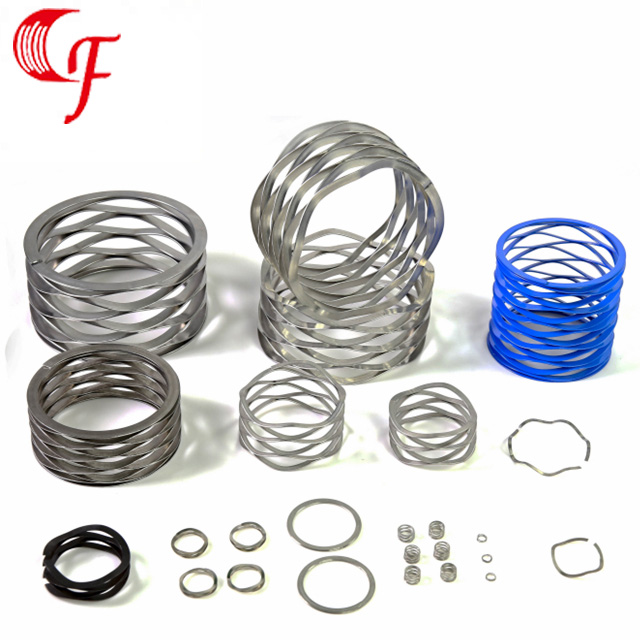
Understanding Wave Springs
A wave spring, also referred to as a wavy spring, is a type of Compression spring made from flat wire that is formed into a series of waves. Unlike traditional coil springs, wave springs are designed to provide the same force in a much smaller axial space. This makes them ideal for applications where space is limited but precise spring performance is required.
Wave springs are used to apply consistent load, absorb shock, and maintain tension in various mechanical systems. Their unique design allows engineers to reduce the size of assemblies, lower material costs, and improve efficiency.
Structure of a Wave Spring
A typical wave spring consists of:
Flat wire: Unlike round wire in traditional coil springs, flat wire is used to create the wave pattern.
Waves: These are the undulations or curves in the wire that allow compression and force generation. The number of waves and their height determine the spring’s load characteristics.
Single-turn or multi-turn design: Depending on the application, a wave spring can have a single turn (single-turn wave spring) or multiple turns (multi-turn wave spring).
The wavy spring design provides a uniform load distribution, reduces solid height, and allows for precise control of spring deflection, making them highly efficient in tight spaces.
Types of Wave Springs
When asking “what type of wave is a spring”, it’s important to understand that wave springs come in various configurations:
Single-turn wave springs: These have a single coil with wave patterns and are ideal for low-load applications.
Multi-turn wave springs: These consist of several stacked turns, providing higher loads while still saving space compared to traditional coil springs.
Nested wave springs: These involve placing multiple wave springs inside one another to achieve higher loads in limited axial space.
Parallel and series wave springs: Used to adjust spring characteristics in complex assemblies.
The versatility of wave springs allows engineers to customize load, deflection, and space requirements for specific applications.
Advantages of Wave Springs
Using wave springs instead of traditional coil springs offers several advantages:
Space-saving: Wave springs can reduce assembly height by up to 50% compared to traditional coil springs.
Precise load control: The flat wire design allows engineers to achieve accurate load specifications.
Material efficiency: Less material is required, reducing costs while maintaining performance.
Versatility: Suitable for a wide range of applications, including automotive, aerospace, medical devices, and electronics.
Reduced vibration: The wave design absorbs shocks effectively, improving component longevity.
These benefits explain why many companies prefer wave springs over conventional springs in modern engineering designs.
Applications of Wave Springs
Wave springs are used in numerous industries and applications, including:
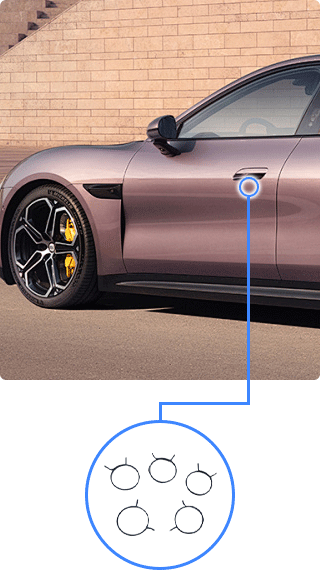
Automotive industry: For clutches, brakes, transmissions, and valve actuators where compact design and precise force are critical.
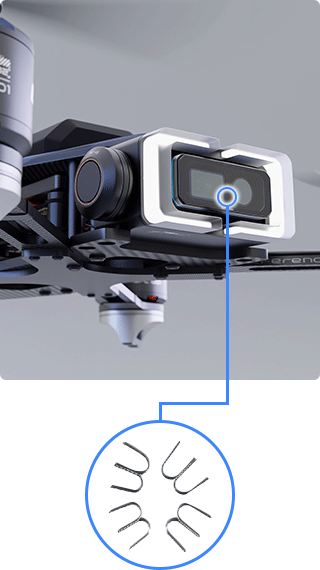
Aerospace industry: In landing gear, actuators, and control systems where weight reduction and space efficiency are essential.
Medical devices: In surgical instruments, diagnostic equipment, and prosthetics requiring miniature, reliable springs.
Electronics: For connectors, switches, and semiconductor equipment where consistent load and space-saving design are needed.
Industrial machinery: For pumps, valves, and compressors to maintain precise tension and absorb shocks.
Selecting the correct wave spring ensures optimal performance and longevity of mechanical systems.
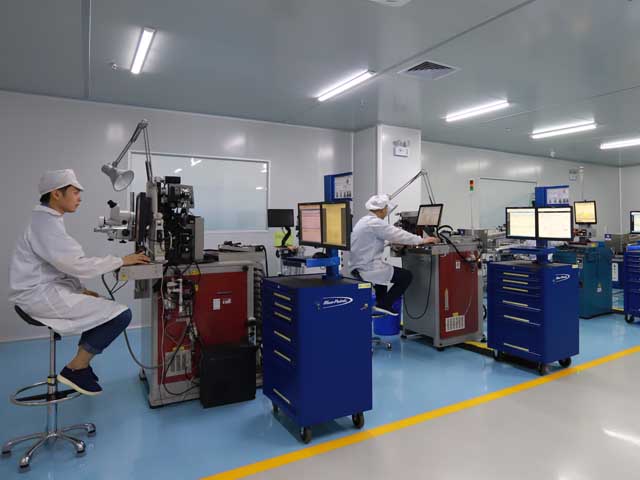
How Wave Springs Are Made
Wave springs are typically manufactured using flat stainless steel or alloy wire. The process includes:
Cutting and forming: Flat wire is cut to size and formed into wave patterns using specialized machinery.
Heat treatment: Springs are heat-treated to improve elasticity and durability.
Surface finishing: Optional coatings, such as plating or passivation, are applied for corrosion resistance.
Testing: Springs are tested for load capacity, deflection, and fatigue resistance to meet design specifications.
High-quality wave spring manufacturers follow strict standards to ensure consistent performance across all production batches.
Choosing the Right Wave Spring Manufacturer
When sourcing wave springs, it’s important to choose reputable spring manufacturers. Key considerations include:
Experience: Established manufacturers often provide higher quality and reliability.
Customization capabilities: Ability to produce custom wavy springs based on specific load, deflection, and size requirements.
Quality control: Look for ISO-certified or industry-standard compliant manufacturers.
Material options: Stainless steel, carbon steel, or specialty alloys depending on application.
Support and technical guidance: Experienced suppliers can recommend the best wave spring for your application.
Some leading Wave Spring Manufacturers also offer online catalogs and custom design services, making it easier to find the perfect spring solution.
Maintenance and Tips for Wave Springs
Although wave springs are durable, proper maintenance can extend their life:
Avoid excessive load beyond the spring’s rated capacity.
Protect against corrosive environments or apply surface treatments as needed.
Inspect springs regularly for signs of wear, deformation, or fatigue.
Replace springs that have exceeded their fatigue life or show visible damage.
With proper selection and care, wave springs can provide reliable performance for years.
Conclusion
Understanding what is a wave spring is crucial for engineers, designers, and maintenance professionals. Its compact design, precise load control, and versatility make it an essential component in modern mechanical systems. Whether you need a wavy spring for an automotive, aerospace, or medical application, choosing high-quality products from reputable wave spring manufacturers and experienced spring manufacturers ensures durability and efficiency. By considering factors such as spring type, material, and load capacity, you can optimize your system’s performance while saving space and reducing costs.
Wave springs are not just an alternative to traditional coil springs—they are a modern solution for precise, compact, and efficient spring applications.
