
















 English
In today’s highly competitive electronics market, ensuring long-term device reliability is a core priority for manufacturers across consumer electronics, industrial automation, medical equipment, smart wearables, and automotive systems. Among the many components that influence electrical stability, Spring Loaded Battery Contacts play an especially critical role. Though small in size, these precision-engineered contacts deliver consistent power transfer, reduce system failures, and significantly enhance the overall durability of electronic devices.
1. Consistent Electrical Conductivity for Stable Power Output
One of the most important functions of Spring Loaded Battery Contacts is to maintain steady and low-resistance electrical conductivity between the battery and the device circuitry.
1.1 Automatic Compensation for Tolerance Variations
Battery compartments often have dimensional differences due to manufacturing tolerances. Traditional flat metal contacts may fail to maintain stable pressure, resulting in intermittent connections. In contrast, spring-loaded contacts provide:
Constant contact force
Self-adjusting pressure
Compensation for slight position shifts
This ensures that the electrical connection remains stable even when the battery moves or vibrations occur.
1.2 Minimizing Voltage Drop and Power Interruptions
Because the spring maintains reliable pressure, the contact surface remains clean and consistent. This helps minimize voltage drop and prevents micro-disconnections, which are common causes of device resets, data loss, and unpredictable malfunctions.
2. Excellent Mechanical Stability in Dynamic Environments
Modern portable devices are frequently exposed to motion and vibration—especially in automotive electronics, handheld devices, tools, and IoT sensors. Spring Loaded Battery Contacts excel at providing mechanical stability due to their engineered flexibility.
2.1 Anti-Vibration Performance
The spring mechanism absorbs impact and vibration, preventing the battery from separating from the power contacts. Even during drops or continuous mechanical movement, the device remains powered.
2.2 Extended Service Life Under Repeated Cycles
Battery compartments may undergo thousands of insertion cycles throughout the product’s lifespan. Spring-loaded contacts are made from durable materials such as:
Beryllium copper
Phosphor bronze
Stainless steel
With proper plating—gold, nickel, or tin—the contacts resist fatigue, oxidation, and wear, extending operational life far longer than conventional stamped contacts.
3. Enhanced Durability Through High-Quality Plating and Materials
Material and surface treatment have a major impact on the reliability of Spring Loaded Battery Contacts.
3.1 Corrosion Resistance
Gold plating is commonly used because it resists oxidation and maintains low resistance even in humid or corrosive environments. Nickel and tin coatings can also be used for cost-effective corrosion protection.
3.2 Fatigue Strength of Spring Materials
High-quality spring materials ensure that the elastic force remains stable even after long-term use. This prevents issues like contact loosening, which can cause intermittent power loss.
4. Superior Performance in Harsh Environmental Conditions
Devices used outdoors, in industrial facilities, or in automotive applications often encounter challenging environments. Spring Loaded Battery Contacts outperform rigid contacts in conditions such as:
Temperature fluctuations
Humidity and condensation
Dust exposure
Impact and vibration
Chemical exposure
4.1 Temperature Stability
Spring contacts retain elasticity and electrical stability across wide temperature ranges, which is crucial for automotive systems and outdoor devices.
4.2 Self-Cleaning Contact Surfaces
The sliding action between spring and battery during compression helps reduce oxidation on the contact surface, maintaining reliable electrical properties over time.
5. Compact and Flexible Design for Miniaturized Devices
As electronic devices continue to shrink in size, internal component spacing becomes tighter. Spring Loaded Battery Contacts provide:
Small footprint
Vertical or horizontal installation options
Customizable heights and spring forces
This design flexibility allows engineers to integrate reliable power connections even in ultra-compact enclosures.
6. Reduced Maintenance and Longer Product Lifespan
Because of their durability, anti-corrosion performance, and stable electrical connection, spring-loaded contacts reduce the need for maintenance or replacement.
6.1 Fewer Field Failures
Unstable battery connections are one of the leading causes of device malfunction. By maintaining consistent power delivery, Spring Loaded Battery Contacts help reduce service calls, warranty claims, and repair costs.
6.2 Lower Risk of Battery Wear
The controlled spring pressure minimizes excessive friction or damage to the battery surface, extending battery life as well.
7. Ideal for High-Reliability Industries
Certain industries have extremely high expectations for reliability. Spring Loaded Battery Contacts are widely used in:
7.1 Medical Devices
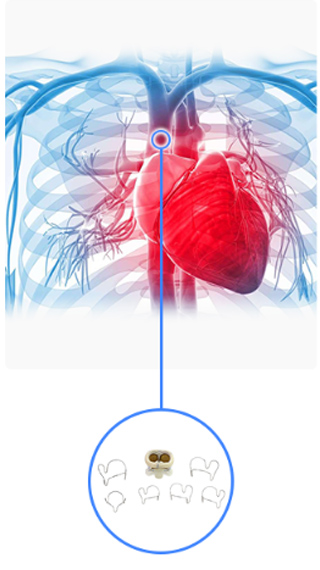
Pacemakers, insulin pumps, blood glucose meters—these devices cannot risk power interruptions. Spring contacts ensure continuous operation.
7.2 Automotive Electronics
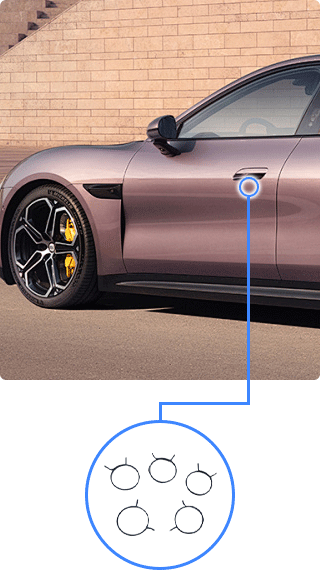
Key fobs, sensors, diagnostic tools, and telematics rely on shock-resistant and temperature-stable battery contacts.
7.3 Industrial Sensors
Vibration-heavy environments such as factories require durable contacts that provide uninterrupted connectivity.
7.4 Smart Wearables and Consumer Electronics
Smartwatches, trackers, and portable gadgets benefit from compact and long-lasting spring contacts.
8. Customization Options to Optimize Device Performance
Manufacturers can design Spring Loaded Battery Contacts with custom parameters such as:
Spring force
Plating type
Contact shape
Height and compression distance
Base materials
Mounting method
Customization ensures that the contact performs perfectly within the customer’s specific product environment, maximizing reliability and service life.
Conclusion
Although often overlooked, Spring Loaded Battery Contacts are one of the most critical components affecting device reliability. Their ability to provide consistent conductivity, compensate for tolerances, resist vibration and corrosion, and adapt to environmental challenges makes them essential for modern electronics.
Whether used in consumer devices, industrial machinery, medical equipment, or automotive electronics, spring-loaded contacts ensure stable power delivery and significantly reduce system failures. As devices continue to evolve toward higher performance and smaller sizes, the importance of reliable battery contact technology will only grow.
